Claudio Monteverdi
Il ritorno di Ulisse in patria
Programma
We kindly ask the audience to please read the COVID-19 informations about tickets and seats
Il ritorno di Ulisse in patria, a melodrama with prologue and three acts on a libretto by Giacomo Badoaro, is one of the last and extraordinary work of Claudio Monteverdi's creative vein made in the Venetian period. It had been a long time since the musician had forever impressed his name in the history of the opera with the Orfeo, set up at the court of Mantua in 1607. And after twenty years of inventions and successes spent in the service of the Gonzagas, Monteverdi felt the need to find new stimuli elsewhere. The choice fell on Venice, where in addition to the position of choirmaster in San Marco, the musician also devoted himself to madrigal and opera production. In the lagoon city, public theaters had recently been inaugurated with the consequent demand for ever new plays. Il ritorno di Ulisse in patria was born in that context and was staged in 1640 at the Teatro dei SS. Giovanni and Paolo. The work was exceptionally re-proposed the following year as a demonstration of the undisputed favor enjoyed by the elderly master, who once again had hit the mark. And even if the music in Ulisse is not intended to seduce the ear but rather to serve poetry according to the dictates of 'recitar cantando', Monteverdi nevertheless manages to characterize his characters with an incisive vocal style appropriate to their nature and always functional to the story.
New staging
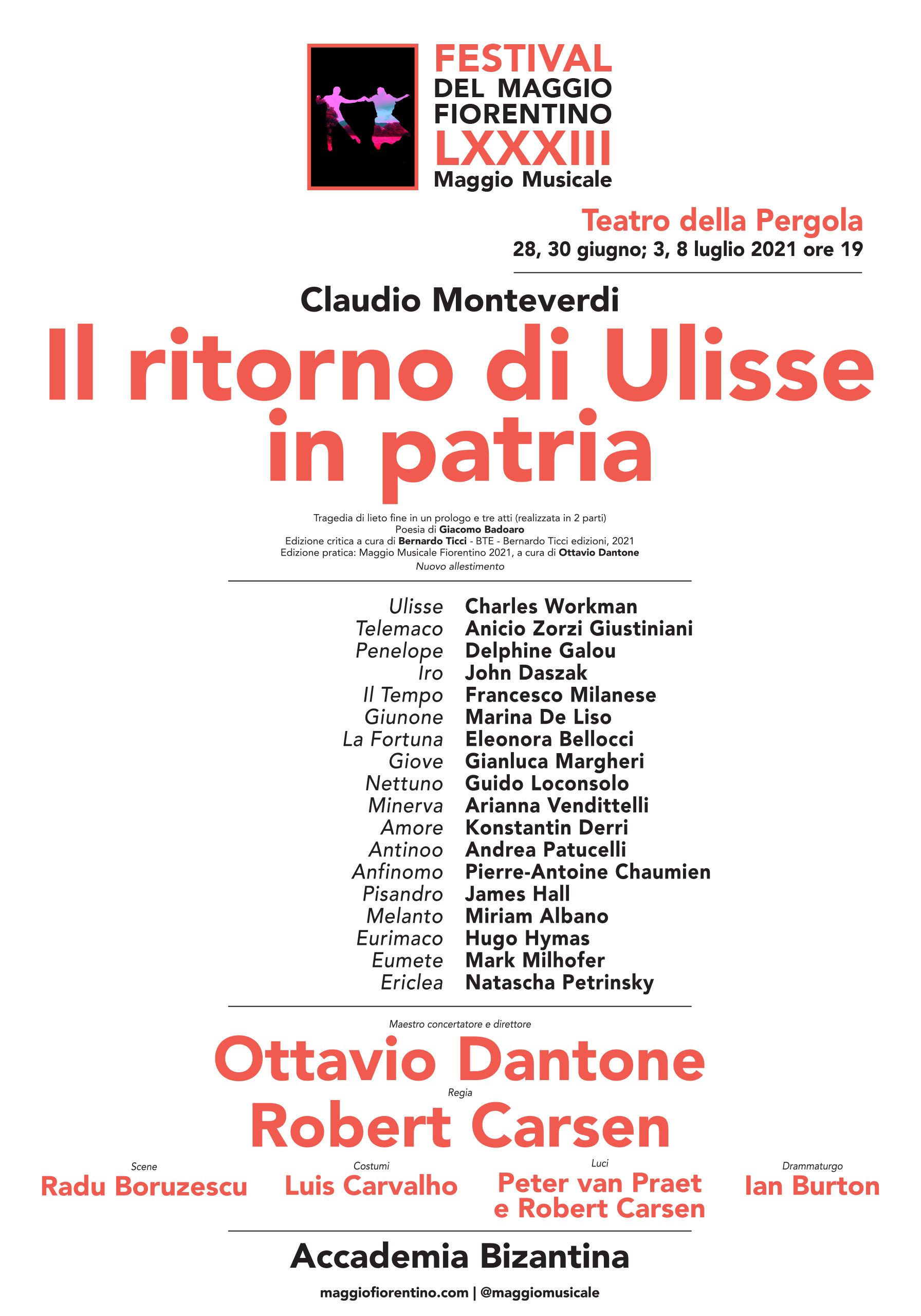
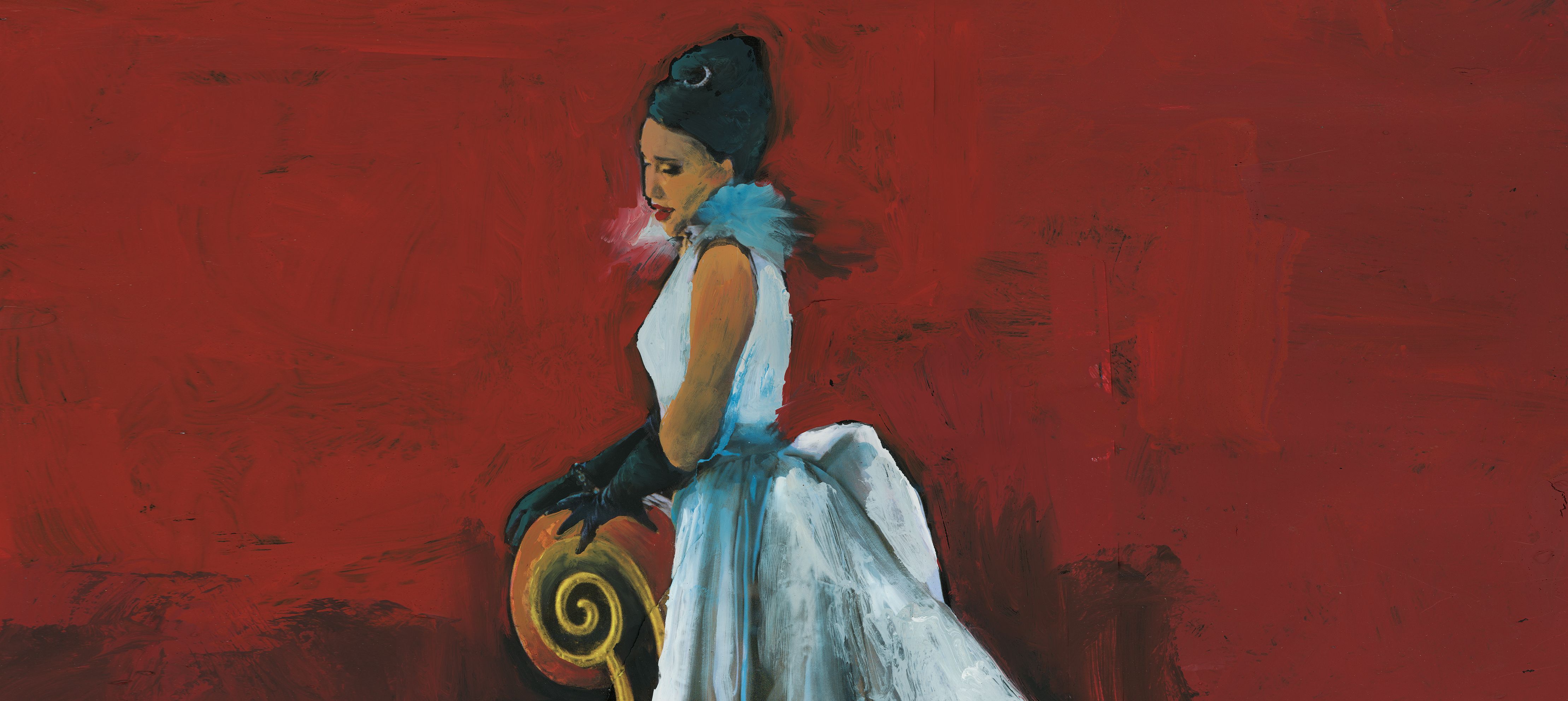
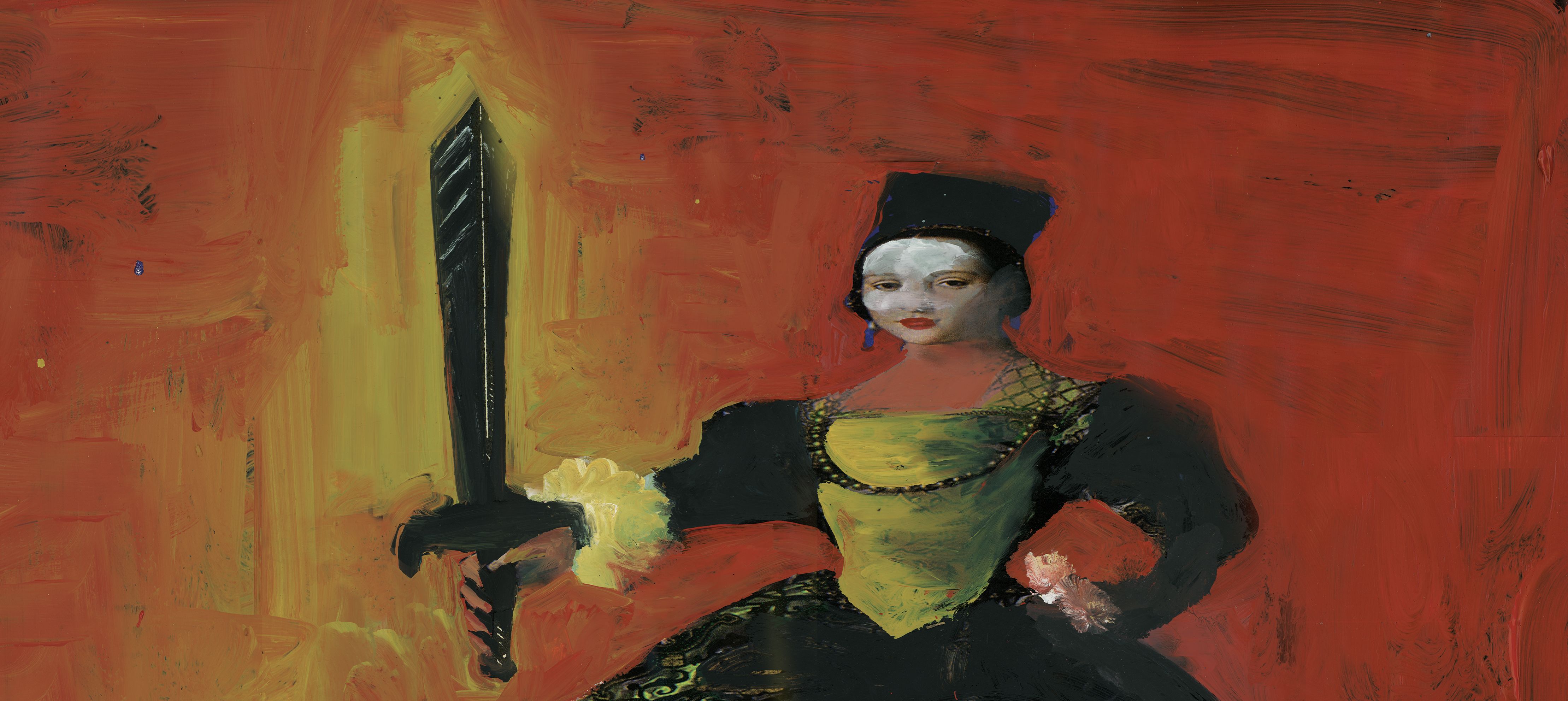
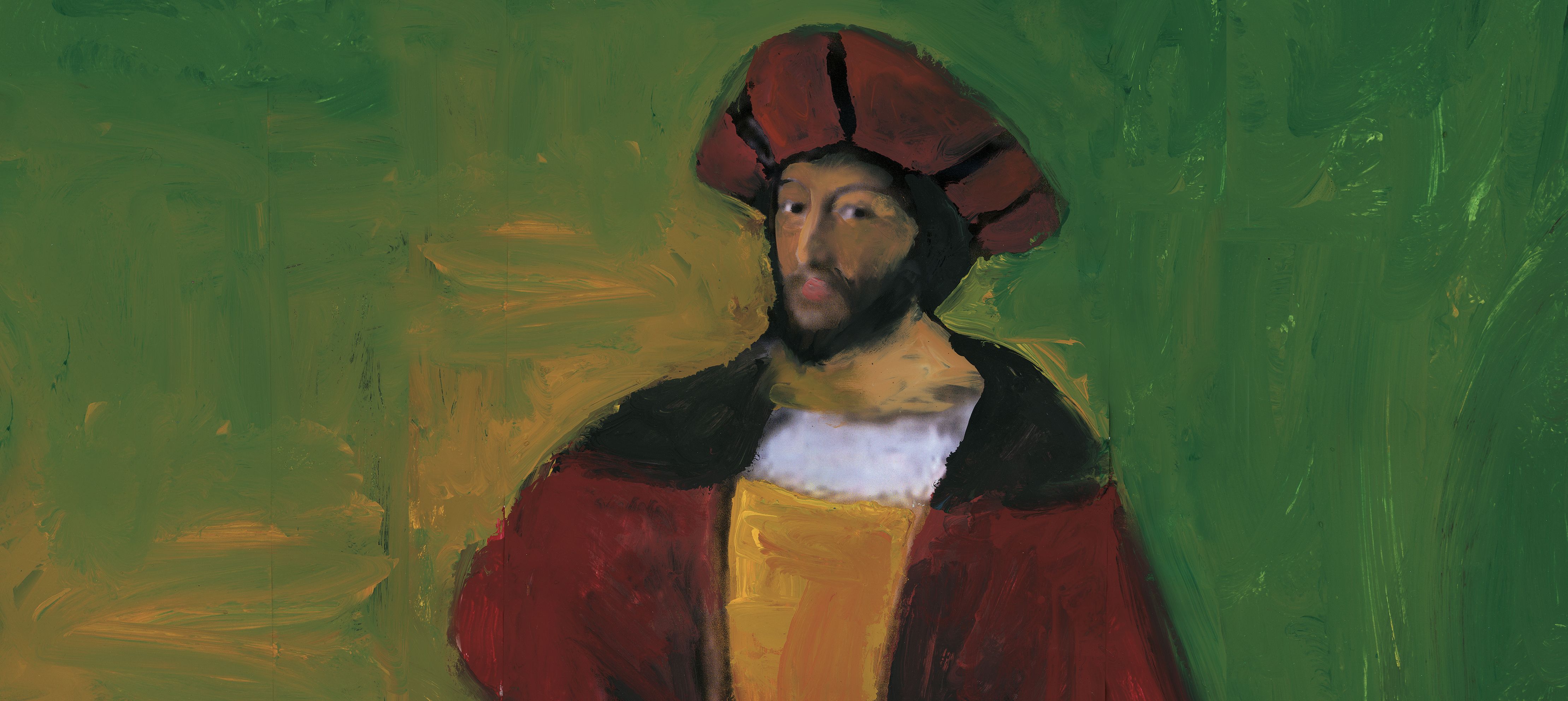
The poster of the opera is inspired by a photo taken by the tenor Luca Canonici
Il ritorno di Ulisse in patria, a melodrama with prologue and three acts on a libretto by Giacomo Badoaro, is one of the last and extraordinary work of Claudio Monteverdi's creative vein made in the Venetian period. It had been a long time since the musician had forever impressed his name in the history of the opera with the Orfeo, set up at the court of Mantua in 1607. And after twenty years of inventions and successes spent in the service of the Gonzagas, Monteverdi felt the need to find new stimuli elsewhere. The choice fell on Venice, where in addition to the position of choirmaster in San Marco, the musician also devoted himself to madrigal and opera production. In the lagoon city, public theaters had recently been inaugurated with the consequent demand for ever new plays. Il ritorno di Ulisse in patria was born in that context and was staged in 1640 at the Teatro dei SS. Giovanni and Paolo. The work was exceptionally re-proposed the following year as a demonstration of the undisputed favor enjoyed by the elderly master, who once again had hit the mark. And even if the music in Ulisse is not intended to seduce the ear but rather to serve poetry according to the dictates of 'recitar cantando', Monteverdi nevertheless manages to characterize his characters with an incisive vocal style appropriate to their nature and always functional to the story.
New staging
The poster of the opera is inspired by a photo taken by the tenor Luca Canonici
Artists
Conductor
Ottavio Dantone
Director
Robert Carsen
Sets
Radu Boruzescu
Lights
Peter van Praet e Robert Carsen
Costumes
Luis Carvalho
Drammaturgy
Ian Burton
Ulisse
Charles Workman
Telemaco
Anicio Zorzi Giustiniani
Penelope
Delphine Galou
Iro
John Daszak
Il Tempo
Francesco Milanese
Giunone
Marina De Liso
La Fortuna
Eleonora Bellocci
Giove
Gianluca Margheri
Nettuno
Guido Loconsolo
Minerva
Arianna Vendittelli
Amore
Konstantin Derri
Antinoo
Andrea Patucelli
Anfinomo
Pierre-Antoine Chaumien
Pisandro
James Hall
Melanto
Miriam Albano
Eurimaco
Hugo Hymas
Eumete
Mark Milhofer
Ericlea
Natascha Petrinsky
Accademia Bizantina
Ottavio Dantone
Director
Robert Carsen
Sets
Radu Boruzescu
Lights
Peter van Praet e Robert Carsen
Costumes
Luis Carvalho
Drammaturgy
Ian Burton
Ulisse
Charles Workman
Telemaco
Anicio Zorzi Giustiniani
Penelope
Delphine Galou
Iro
John Daszak
Il Tempo
Francesco Milanese
Giunone
Marina De Liso
La Fortuna
Eleonora Bellocci
Giove
Gianluca Margheri
Nettuno
Guido Loconsolo
Minerva
Arianna Vendittelli
Amore
Konstantin Derri
Antinoo
Andrea Patucelli
Anfinomo
Pierre-Antoine Chaumien
Pisandro
James Hall
Melanto
Miriam Albano
Eurimaco
Hugo Hymas
Eumete
Mark Milhofer
Ericlea
Natascha Petrinsky
Accademia Bizantina
Running Time
Prima parte: 1 ora e 20 minuti - Intervallo: 25 minuti - Seconda parte: 1 or e 10 minuti - Durata complessiva: 2 ore e 55 minuti circa
Locandina