Gaetano Donizetti
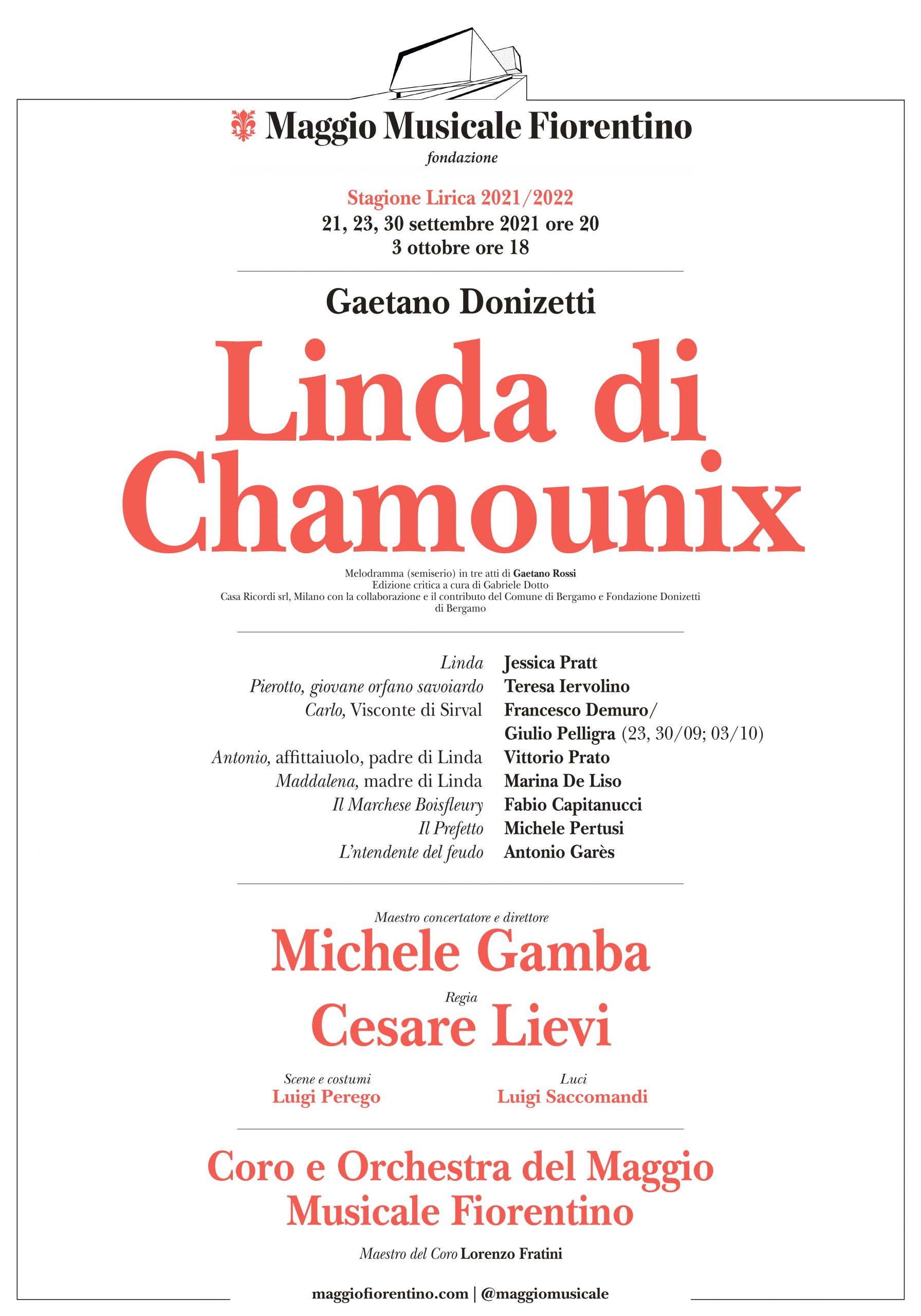
Linda di Chamounix
Programma
We kindly ask the audience to please read the COVID-19 informations about tickets and seats and how access the theater
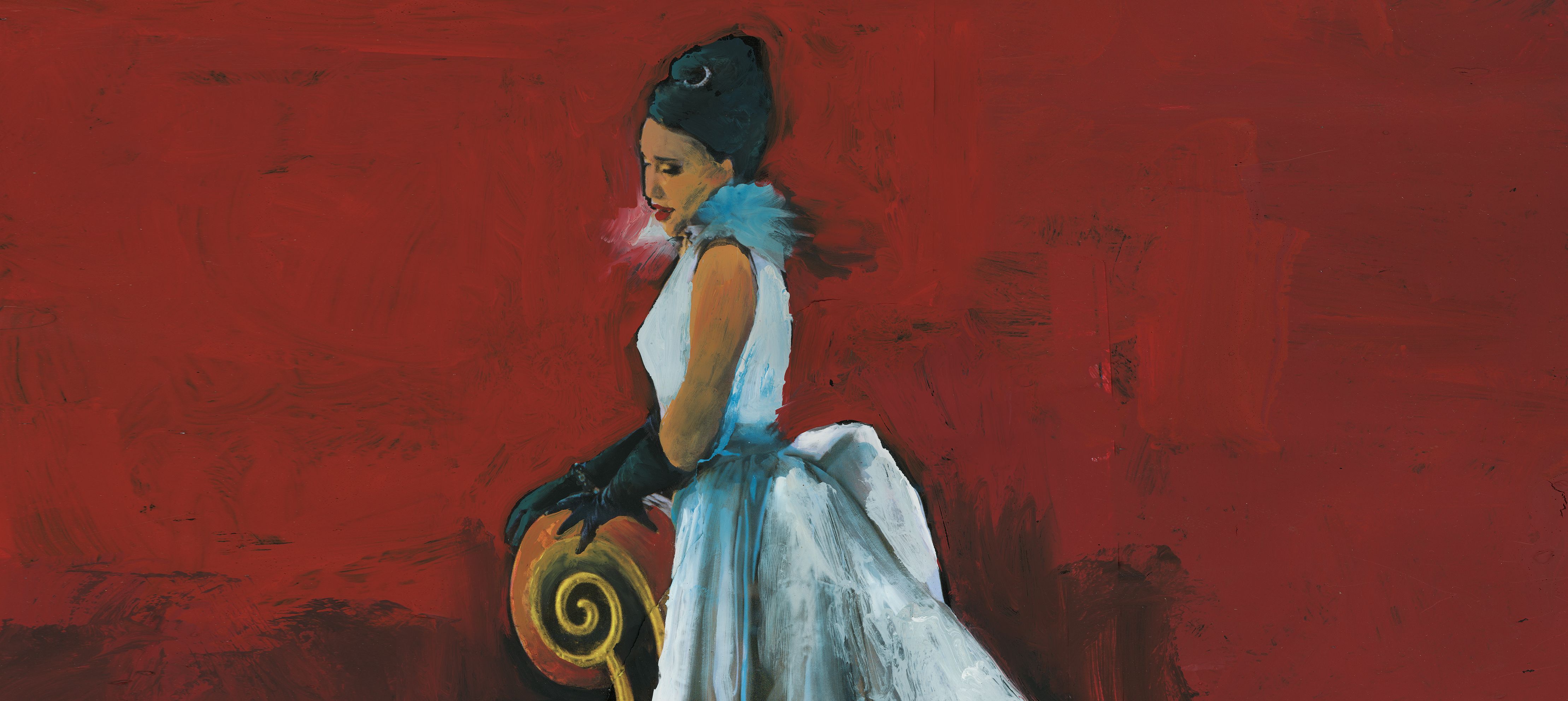
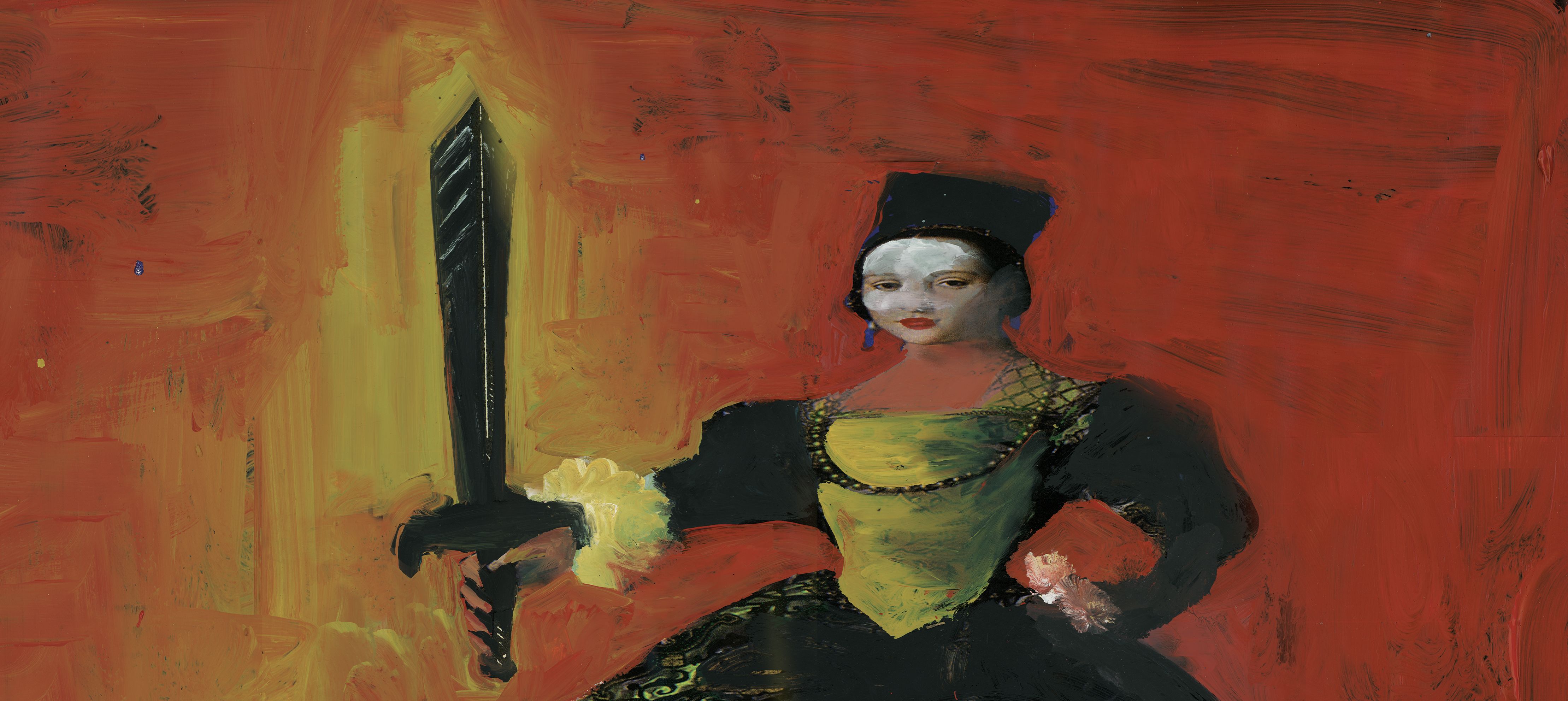
When Donizetti composed Linda di Chamounix in 1841, his name was internationally famous, so much so that in Vienna he was commissioned to perform the opera that would have represented the most important of the program of the Porta Carinzia Theater of that Season. The subject, put into verse by Gaetano Rossi, is inspired by the Grâce de Dieu ou la nouvelle Fanchon by Adolphe d'Ennery and Gustave Lemoine, a rather unlikely feuilleton even to Donizetti but which is perfectly suited to its purpose: to please the Habsburg court with a work devoid of political implications but based exclusively on good feelings and the celebration of the virtue of the protagonist. Linda di Chamounix is a semi-serious work, a genre that mixes, between pathos and irony, elements and characters characteristic of the two major genres with the inevitable happy ending. At the center of the action is a beautiful and virtuous girl, Linda, in love with Viscount Charles but threatened by his uncle, the Marquis of Boisfleury. As tradition has it, there is are misunderstandings, acknowledgments and twists (among them also a scene of madness, a Donizetti specialty), but in the end, as the saying goes, "all is well that ends well" and the peace found among the two young people reunited joyfully closes the opera.
Staging by Maggio Musicale Fiorentino
When Donizetti composed Linda di Chamounix in 1841, his name was internationally famous, so much so that in Vienna he was commissioned to perform the opera that would have represented the most important of the program of the Porta Carinzia Theater of that Season. The subject, put into verse by Gaetano Rossi, is inspired by the Grâce de Dieu ou la nouvelle Fanchon by Adolphe d'Ennery and Gustave Lemoine, a rather unlikely feuilleton even to Donizetti but which is perfectly suited to its purpose: to please the Habsburg court with a work devoid of political implications but based exclusively on good feelings and the celebration of the virtue of the protagonist. Linda di Chamounix is a semi-serious work, a genre that mixes, between pathos and irony, elements and characters characteristic of the two major genres with the inevitable happy ending. At the center of the action is a beautiful and virtuous girl, Linda, in love with Viscount Charles but threatened by his uncle, the Marquis of Boisfleury. As tradition has it, there is are misunderstandings, acknowledgments and twists (among them also a scene of madness, a Donizetti specialty), but in the end, as the saying goes, "all is well that ends well" and the peace found among the two young people reunited joyfully closes the opera.
Staging by Maggio Musicale Fiorentino
Artists
Conductor
Michele Gamba
Director
Cesare Lievi
Sets and costumes
Luigi Perego
Lights
Luigi Saccomandi
Chorus and Orchestra del Maggio Musicale Fiorentino
Chorus master
Lorenzo Fratini
Michele Gamba
Director
Cesare Lievi
Sets and costumes
Luigi Perego
Lights
Luigi Saccomandi
Chorus and Orchestra del Maggio Musicale Fiorentino
Chorus master
Lorenzo Fratini
Linda
Jessica Pratt
Pierotto
Teresa Iervolino
Carlo
Francesco Demuro
Giulio Pelligra (23, 30/09; 3/10)
Antonio
Vittorio Prato
Maddalena
Marina De Liso
Il marchese Boisfleury
Fabio Capitanucci
Il Prefetto
Michele Pertusi
L'intendente del feudo
Antonio Garès
Jessica Pratt
Pierotto
Teresa Iervolino
Carlo
Francesco Demuro
Giulio Pelligra (23, 30/09; 3/10)
Antonio
Vittorio Prato
Maddalena
Marina De Liso
Il marchese Boisfleury
Fabio Capitanucci
Il Prefetto
Michele Pertusi
L'intendente del feudo
Antonio Garès
Running Time
Atto I: 1 ora e 5 minuti
--------------
Intervallo: 30 minuti
--------------
Atto II e III: 1 ora e 50 minuti
--------------
Durata complessiva: 3 ore e 25 minuti
--------------
Intervallo: 30 minuti
--------------
Atto II e III: 1 ora e 50 minuti
--------------
Durata complessiva: 3 ore e 25 minuti
Locandina