Maestro James Conlon conducts the Symphony No. 2 "Lobgesang" by Mendelssohn: Saturday 21 November at 6 pm
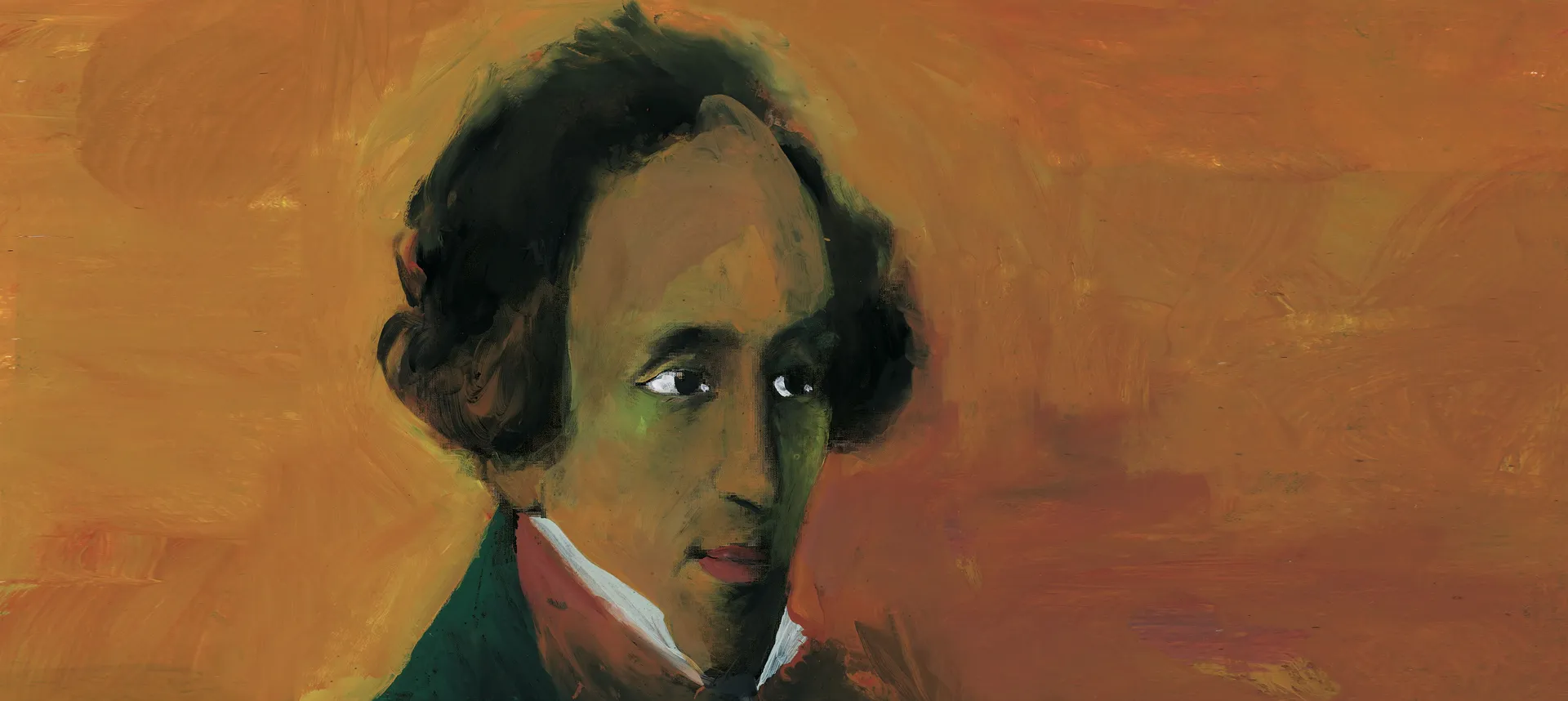
Saturday 21 November at 6 pm, in the Sala Mehta, James Conlon conducts the Orchestra and Chorus of the Maggio Musicale Fiorentino in the concert opening the Cycle dedicated to the symphonies of Felix Mendelssohn, featuring the performance of Symphony No. 2 in B-flat major, Op. 52, Lobgesang (Hymn of Praise).
Soloists: sopranos Chen Reiss and Giulia Alletto, and tenor Yijie Shi.
Florence, 19 November 2026 - Maestro James Conlon will take to the podium of the Mehta hall at the Teatro del Maggio on Saturday 21 November at 6 pm, conducting the Orchestra and Chorus of the Maggio in the concert that opens the cycle dedicated to the symphonies of Felix Mendelssohn, a cycle that has never before been performed in its entirety during the Maggio's seasons.
The soloists for the evening will be sopranos Chen Reiss, who made her debut at the Maggio in November 2008 in Siegfried, conducted by Zubin Mehta, and Giulia Alletto - recently admitted to the “Maria Manetti Shrem Emerging Artists Program” of the Maggio Musicale Fiorentino Academy - and tenor Yijie Shi, who made his debut in the Maggio seasons in Gioachino Rossini's Il viaggio a Reims, staged in January 2012. The Chorus Master of the Maggio is Lorenzo Fratini.
Maestro Conlon - who is also currently conducting the new production of Giuseppe Verdi's Simon Boccanegra, running in the Teatro's Main Hall until 24 November - replaces Daniele Gatti, who is unable to conduct this first concert due to illness.
The programme on Saturday 21 November features Symphony No. 2 in B-flat major, Op. 52, Lobgesang (Hymn of Praise), composed by Mendelssohn for the celebrations marking the fourth centenary of Gutenberg's invention of printing in 1840 and first performed at St Thomas' Church in Leipzig on 25 June of that year, conducted by the composer himself. The title of the first edition was Symphony-Cantata on Texts from the Holy Bible and, indeed, the work's structure stems from the unusual combination of the form of the classical symphony and that of the Baroque cantata, developed across two extensive sections: the first entirely instrumental and the second vocal.
The next event in the Mendelssohn Cycle is scheduled for Monday 9 December at 8 pm, also in the Mehta hall, featuring Symphony No. 1 in C minor, Op. 11, and Symphony No. 4 in A major, Op. 90.
The concert
Mendelssohn's Symphony No. 2 in B-flat major for soloists, chorus and orchestra, Op. 52, Lobgesang (Hymn of Praise), was composed in 1840 for the celebrations marking the fourth centenary of Gutenberg's invention of printing and was first performed at St Thomas' Church in Leipzig on 25 June of that year, conducted by the composer himself. The title printed for the first edition was “Symphony-Cantata on Texts from the Holy Bible” and, indeed, the work's structure stems from the unusual combination of the form of the classical symphony and that of the Baroque cantata, developed across two extensive sections: the first entirely instrumental and the second vocal.
Although the reference to the Beethovenian model of the Ninth Symphony is evident, in its use of a large orchestral ensemble together with solo voices and chorus, Symphony No. 2 nevertheless also stands out for the cyclical form adopted by Mendelssohn through a motto based on the words “Alles, was Odem hat, lobe den Herrn” (“Let everything that has breath praise the Lord”, Psalm 150). Initially introduced by the trombones, this motto runs throughout the entire work in a cyclical function, culminating in the final choral setting.
In the first part of this monumental work, the first three symphonic movements follow one another without interruption (Maestoso con moto – Allegretto un poco agitato – Adagio religioso), while the second part is devoted to the cantata, structured in nine sections in which jubilant choral passages alternate with more intimate meditations entrusted to the soloists in arias and duets, leading to the powerful fugue that concludes the final choral number: a solemn and majestic hymn of praise, raised by all humanity before the omnipotence of God.