Saturday, 26 September at 6 pm: Thomas Guggeis conducts Gustav Mahler’s Symphony No. 2 “Resurrection”
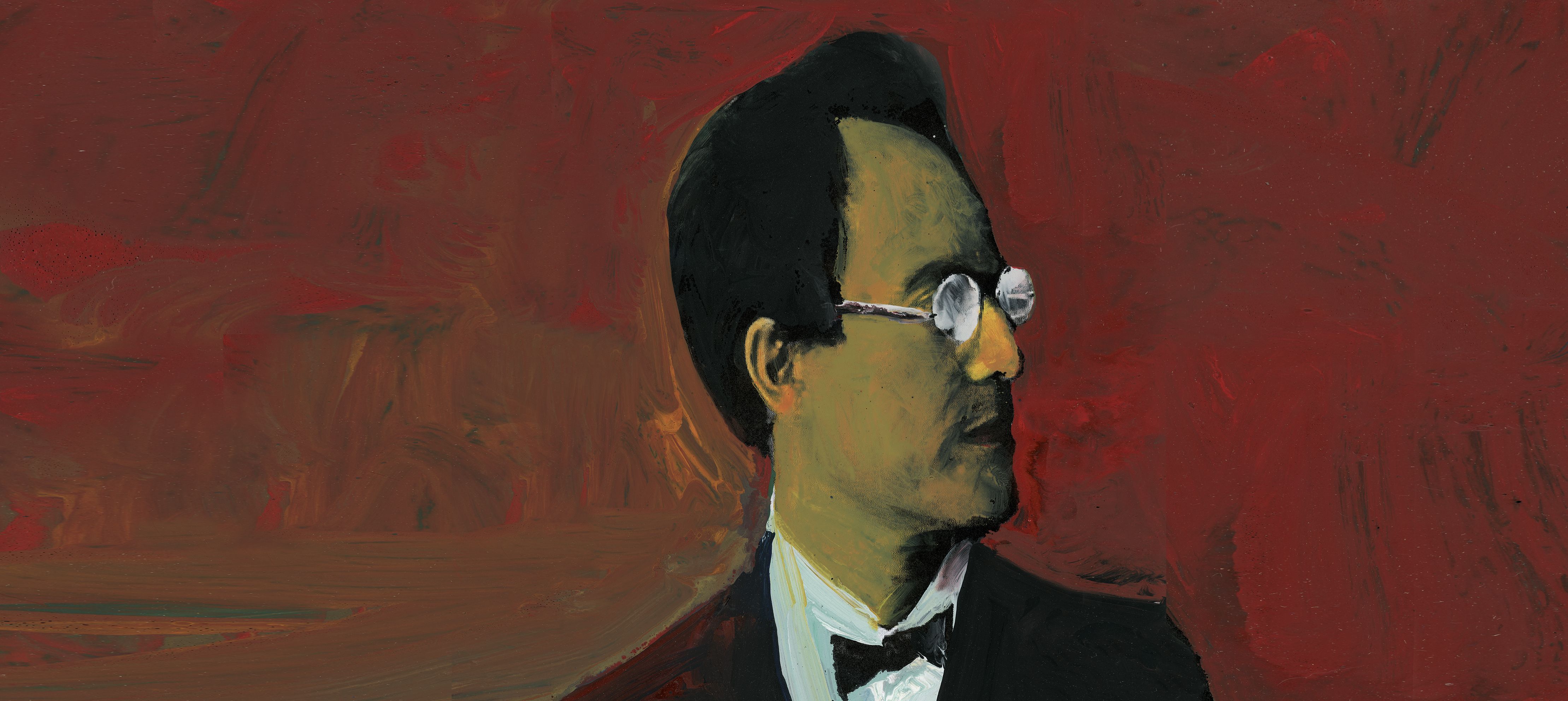
Saturday, 26 September at 6 pm: Thomas Guggeis conducts Mahler’s Symphony No. 2 “Resurrection” in the Sala Mehta, leading the Orchestra and Chorus of the Maggio Musicale Fiorentino
Soloists are soprano Nikoletta Hertsak and mezzo-soprano Natalie Lewis.
Florence, 24 September 2026 – Thomas Guggeis will take the podium of the Sala Mehta at the Teatro del Maggio on Saturday, 26 September at 6 pm, conducting the Orchestra and Chorus of the Maggio Musicale Fiorentino in a performance of one of Gustav Mahler’s most celebrated compositions: Symphony No. 2 in C minor, “Resurrection”. The Chorus Master of the Maggio is Lorenzo Fratini.
This is a particularly significant event in the Maggio’s calendar, with Maestro Guggeis at the centre of the Theatre’s programme in these weeks. Following Saturday’s symphonic concert, Thomas Guggeis will conduct the new production of Alban Berg’s Wozzeck, whose opening performance is scheduled for Sunday, 27 September. He will then return to the podium of the Sala Mehta on 2 October for another symphonic concert, featuring Franz Joseph Haydn’s celebrated Symphony No. 104 in D major, “London”.
The concert:
A monumental work with a complex genesis, Gustav Mahler’s Symphony No. 2 in C minor for soprano, alto, chorus and orchestra, “Resurrection,” occupied the composer for seven years. The first movement was completed in 1888, the three central movements date from the summer of 1893, while the final and imposing movement was completed in 1894. The five large sections of the Symphony No. 2 therefore came into being separately and without a predetermined plan, which gradually took shape in the composer’s mind as the work progressed, becoming fully clear only in retrospect. The opening movement continues the poetic trajectory of the finale of Symphony No. 1, as it too is linked to the figure of the hero, whose funeral Mahler depicts in the Second Symphony. The three central movements are conceived as moments of reflection on the experiences of the deceased. The final movement, by contrast, introduces the “redemptive” word, capable of elevating and transcending the musical idea, as Beethoven had already demonstrated in his Ninth Symphony. The inspiration for the finale came unexpectedly during the funeral of the conductor and pianist Hans von Bülow, where Mahler heard a choral hymn based on Friedrich Gottlieb Klopstock’s ode Die Auferstehung (Resurrection). At that moment, he realised that his Second Symphony needed to conclude with a monumental movement entrusted to the human voice, featuring soprano and chorus. Klopstock’s ode was perfectly suited to the composer’s vision, representing the culmination of the long journey from the hero’s earthly death to his heavenly rebirth, where transfiguration can only be attained through the experience of suffering. As in the First Symphony, Mahler draws on a wide and heterogeneous range of musical materials in the Second: the chorale built on the opening notes of the Dies Irae, combined with the funeral-march rhythm that drives the first movement; the Schubertian-flavoured Ländler of the second movement; and the songs from the composer’s beloved collection Des Knaben Wunderhorn (The Youth’s Magic Horn) – St. Anthony of Padua’s Sermon to the Fish, which provides the theme of the Scherzo, and Urlicht, sung as a tender, intimate cantilena by the alto in the fourth movement. These are joined by sounds of nature, apocalyptic fanfares and marches, culminating in the celebration of the final Resurrection.