
Saturday, February 21, 2026 at 8:00 PM, Daniele Rustioni conducts the Orchestra and Chorus of the Maggio; works by Wagner and Brahms on the program
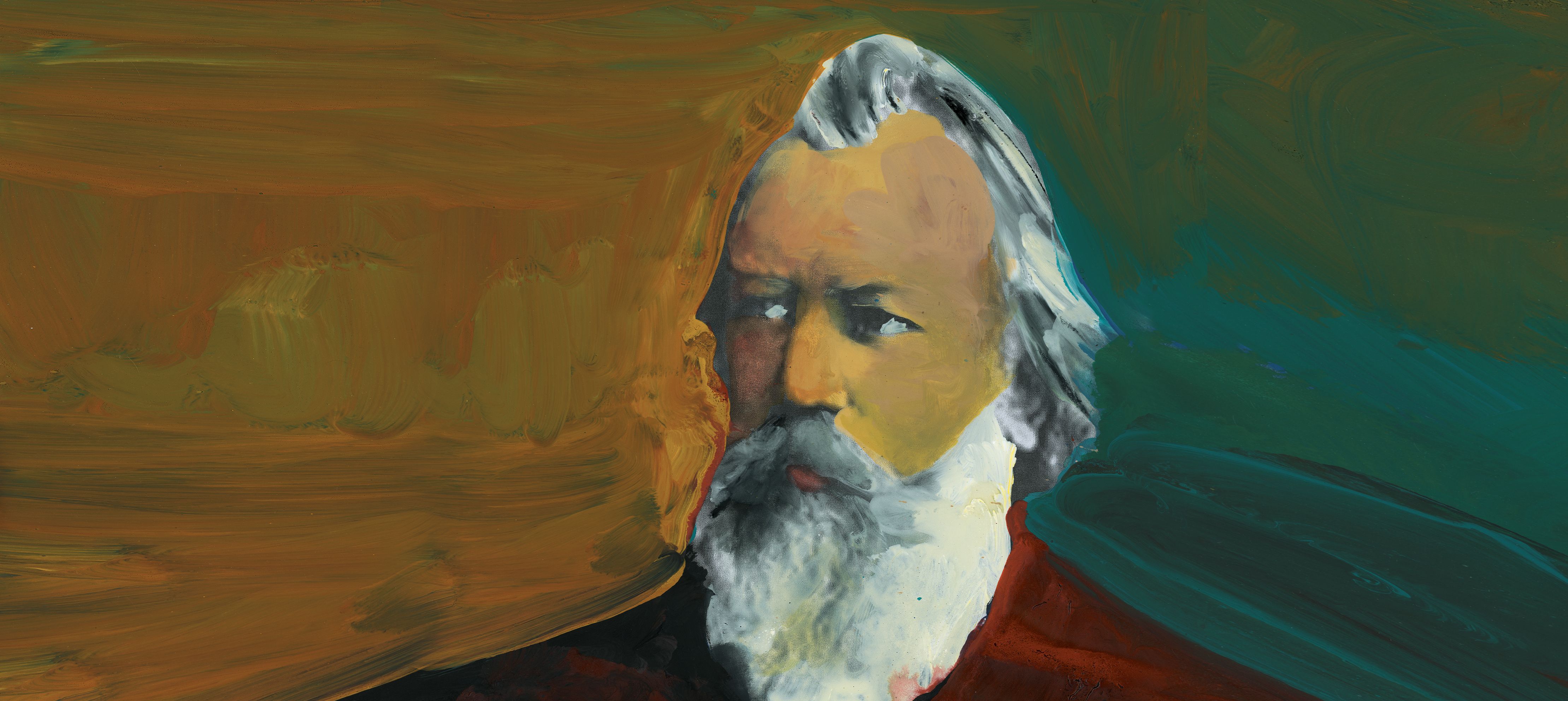
On Saturday, February 21, 2026 at 8:00 PM, Maestro Daniele Rustioni will conduct the Orchestra and Chorus of the Maggio.
The program features the overture to Tannhäuser by Richard Wagner and two compositions by Johannes Brahms: Das Schicksalslied (Song of Destiny) for chorus and orchestra, Op. 54, and the Symphony No. 2 in D major, Op. 73.
Florence, February 18, 2026 – The symphonic events of the Teatro del Maggio season continue. On Saturday, February 21 at 8:00 PM, maestro Daniele Rustioni will take the podium in the Sala Grande—leading the Orchestra and Chorus of the Maggio—for a concert in the Theatre’s symphonic season. The Chorus Master of the Maggio is Lorenzo Fratini.
The evening opens with the overture to Tannhäuser by Richard Wagner: the opera premiered in Dresden in 1845 under Wagner’s own direction. The celebrated overture is built on two contrasting thematic ideas representing the conflict between sacred and profane love. The pilgrims’ theme, entrusted to horns, bassoon, and clarinet, is a solemn melody that gradually ascends, gaining increasing sonic depth until culminating in a crescendo of the strings supported by the lower brass. The second theme, associated with the protagonist’s sensual experience in the Venusberg (the German mountain that, according to legend, housed Venus’s palace), is instead unrestrained and charged with pathos.
This is followed by Das Schicksalslied (Song of Destiny), the composition by Johannes Brahms that gives the evening its title. The two contrasting sections of the poem—first describing the heavenly realm and the imperturbability of the gods who dwell there, then the earthly world and the existential anguish of humankind—are rendered musically through a masterful interplay of light and shadow (muted strings and softly intoned verses in the first part, dramatically intense writing in the second). After these two contrasting episodes, the work concludes with an instrumental postlude that recalls the opening theme.
The concert concludes with another composition by Brahms, the Symphony No. 2 in D major. If the First Symphony had been hailed as the “Tenth Symphony,” alluding to the Beethovenian legacy of which Brahms was considered the heir and guardian, the Second was nicknamed “Pastoral” for its predominantly lyrical and melodic character, and also “Viennese” for its use of waltz rhythm in two of its four movements. A three-note motto, introduced by the lower strings and answered by horns, bassoons, flutes, and clarinets, launches the work. What might seem like an introduction is in fact already the fundamental building block with which Brahms, through his masterful use of variation-development technique, constructs the first theme and the entire symphonic discourse.
Daniele Rustioni—who made his Maggio debut in January 2012 conducting Il viaggio a Reims by Gioachino Rossini—is one of the most highly regarded conductors of his generation, acclaimed for the breadth of his symphonic and operatic repertoire and for his prominent presence in major international opera houses. From the 2025/26 Season, he is the new Principal Guest Conductor of the Metropolitan Opera, the third in the history of America’s leading musical institution after Valery Gergiev and Fabio Luisi. In July 2024, he was awarded the French honor of “Chevalier des Arts et Lettres.” Music Director of the Opéra National de Lyon from 2017 to 2025, he concluded his tenure at the end of the 2024/25 Season with a new production of Verdi’s La forza del destino, which he also presented at the Orange Festival. In recognition of his work, the theatre subsequently appointed him Music Director Emeritus. He led the Ulster Orchestra in the United Kingdom from 2019 to 2024, first as Chief Conductor and then as Music Director, retaining the honorary title of Music Director Laureate. From 2020 to 2023, he was also Principal Guest Conductor of the Bavarian State Opera in Munich, the first in the prestigious German institution’s history. He is also Conductor Emeritus of the Orchestra della Toscana, of which he served as Music Director from 2014 to 2020 and Artistic Director for the following two years. He was named “Best Conductor” at the International Opera Awards 2022.
Daniele Rustioni, again conducting the Orchestra of the Maggio, will appear in the February 24 concert at Orvieto Cathedral (which will be recorded by Rai and broadcast on Rai 1 on Good Friday following the Via Crucis and on Rai 5 in the days after the initial airing) and—together with the Orchestra and Chorus of the Maggio—in another tour engagement on February 26 at the Caurum Hall Guido d’Arezzo in Arezzo.

Ticket office

Work with us

Amministrazione Trasparente - Privacy & Cookie policy