Orchestra Giovanile Italiana: Saturday, October 17, 8 pm
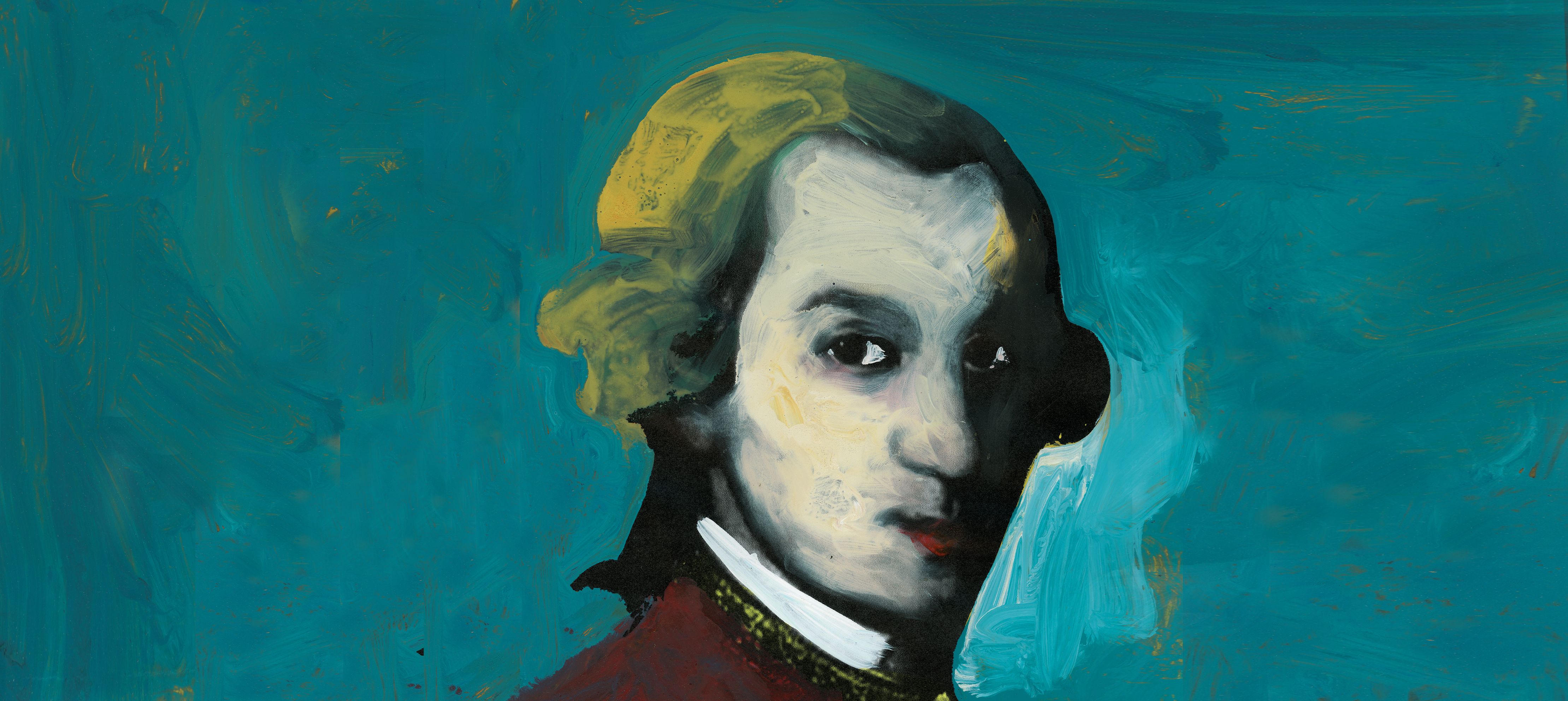
The Orchestra Giovanile Italiana returns to the Maggio with an all-Mozart programme
On Saturday, 17 October 2026, at 8 pm, the Orchestra Giovanile Italiana returns to the Sala Mehta at the Teatro del Maggio. Conducted by Corrado Rovaris, the concert features a programme devoted entirely to the music of Wolfgang Amadeus Mozart.
Clarinet soloist: Calogero Palermo.
Florence, 15 October 2026 – On Saturday, 17 October, at 8 pm, the Italian Youth Orchestra returns to the Sala Mehta at the Maggio, just a few months after its concert last spring, for an evening devoted entirely to the music of Wolfgang Amadeus Mozart.
The orchestra will be conducted by Corrado Rovaris.
The programme opens with the Serenade No. 6 in D major, K. 239, known as the Serenata notturna. Composed in Salzburg in 1776, the work stands out for its unusually small number of movements – just three – and for its division of the strings into two distinct groups, following the model of the Baroque concerto grosso. The first group consists of four solo strings (two violins, viola and double bass), while the second comprises the remaining strings and two timpani.
The programme continues with the Clarinet Concerto in A major, K. 622, composed in 1791, during the final months of Mozart’s life. The work was written for his friend Anton Stadler, a renowned virtuoso clarinettist. Mozart had a particular fondness for the instrument, whose tone he valued for its softness and velvety quality. In the K. 622 Concerto, the clarinet is accompanied by an orchestra with a chamber-like sound, notably without oboes, trumpets or timpani. This allows the solo instrument ample room to shine, highlighting its versatility and expressive range across its different registers.
The clarinet soloist in the performance of the Clarinet Concerto in A major, K. 622 will be Calogero Palermo.
The concert concludes with the celebrated Symphony No. 41 in C major, K. 551, known as the Jupiter Symphony. In this work, Mozart pays tribute to the musical tradition as a whole, engaging with the great masters of the past, Bach and Handel, as well as his contemporary Joseph Haydn, whose influence can be heard in several passages of the symphony.