Jessica Pratt and Cristopher Franklin: all about Mozart
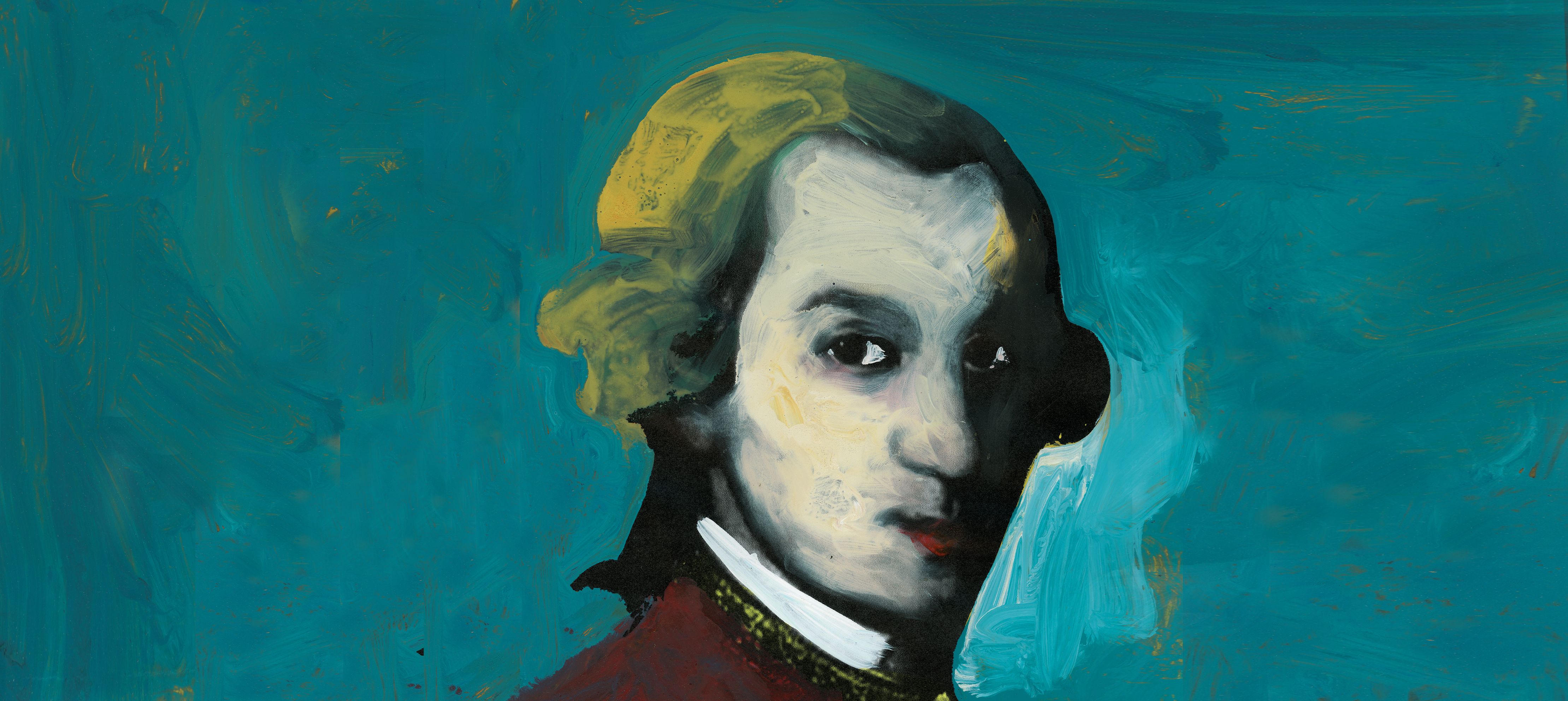
On Friday, March 20 at 8:00 PM, conductor Christopher Franklin and soprano Jessica Pratt will take center stage for an evening entirely dedicated to the music of Wolfgang Amadeus Mozart.
The concert, scheduled in the Sala Grande of the Maggio, features a program of some of the most celebrated arias and overtures by the Salzburg genius.
Florence, March 19, 2026 – The Teatro del Maggio Musicale Fiorentino presents, on Friday, March 20, 2026 at 8:00 PM, in the Sala Grande, the lively concert “Mozart: Overtures and Arias.”
The star of the evening is one of the most acclaimed and beloved sopranos on the international scene, Jessica Pratt, an artist deeply connected to the Maggio and the Florentine audience. A “home” performer of the Teatro, Jessica Pratt returns following the success of her performance in Lucrezia Borgia last November, which was met with tremendous enthusiasm from both audiences and critics.
Conducting the Orchestra del Maggio Musicale Fiorentino is Maestro Christopher Franklin, who also recently appeared on the Maggio podium for last November’s comic vocal recital featuring Marco Filippo Romano.
The March 20 concert was conceived as both an extension and an introduction to a recent recording project dedicated to Mozart, performed by Christopher Franklin and Jessica Pratt together with the Orchestra del Maggio: a work that is now presented live to the audience. The program offers a selection of overtures and arias drawn from some of the Salzburg genius’s most beloved operas, outlining a musical journey through some of his most famous compositions.
As Jessica Pratt herself emphasized in her statement for the program notes, the concert is not merely a simple collection of Mozart arias, but rather a true journey in which the female figure plays a central role:
“The pieces in this concert were conceived as an introduction to the album of Mozart arias that I recently recorded with the Teatro del Maggio Musicale Fiorentino. Every time I return to sing Mozart, I find myself at a threshold in musical history: a point where Enlightenment clarity opens up to a new idea of interiority. This is not simply a collection of arias, but a conscious traversal of a moment in which the way of thinking about the individual and musical theatre changes. Female figures become moving consciousnesses, places of tension and transformation: and it is precisely in this balance between discipline and freedom that I continue to rediscover the deepest meaning of singing.
To those listening, I would like to propose an implicit ‘pact’: not to consider this collection as a sequence of isolated pieces, but to enter a world in transformation; a world in which reason illuminates and form is not abandoned, but becomes the very site of inner conflict. Singing Mozart means inhabiting this balance: holding together discipline and abandon, clarity and restlessness. If this album has a central point, it is perhaps here: Mozart as a place of transition, where music holds together what history tends to separate. A point in which order and unrest, tradition and modernity, measure and desire remain in continuous dialogue — always, inevitably, between two worlds.”