Daniele Gatti: the last concert of the cycle dedicated to Ludwig van Beethoven's symphonies
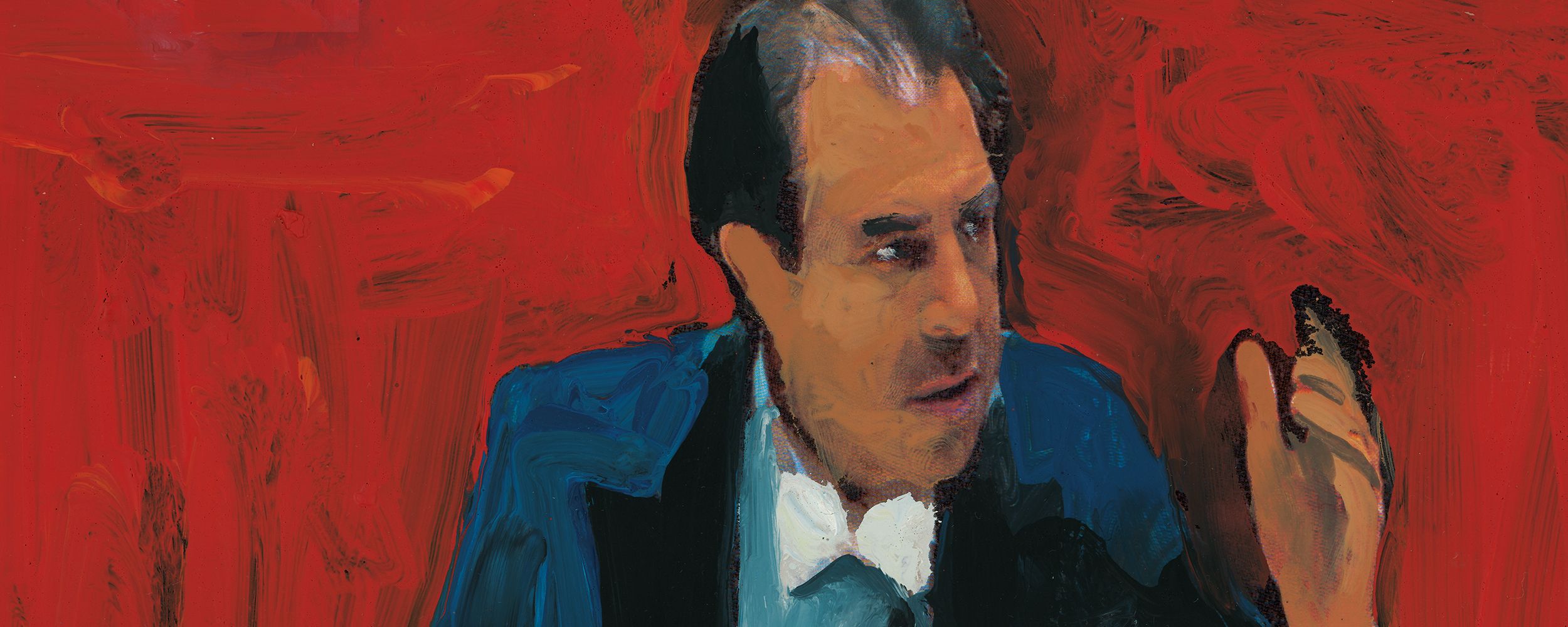
Wednesday, 1 July 2026 at 8 p.m., in the Main Hall of the Teatro del Maggio, the final concert in the cycle dedicated to Ludwig van Beethoven's symphonies, conducted by Daniele Gatti leading the Orchestra and Chorus of the Maggio Musicale Fiorentino.
The programme features the Symphony No. 8 in F major, Op. 93 and the monumental Symphony No. 9 in D minor, Op. 125.
The evening's soloists are Mariangela Sicilia, Eleonora Filipponi, Bernard Richter, and Jongmin Park.
The Chorus Master is Lorenzo Fratini.
The concert will be broadcast live on Rai Radio3.
Florence, 30 June 2026 – On Wednesday, 1 July at 8 p.m., in the Main Hall of the Teatro del Maggio, the concert cycle conducted by Daniele Gatti comes to its conclusion. Leading the Orchestra and Chorus of the Maggio Musicale Fiorentino, Gatti has presented the complete cycle of Ludwig van Beethoven's nine symphonies over the course of four concerts. The programme for this final evening includes the Symphony No. 8 in F major, Op. 93 and the monumental Symphony No. 9 in D minor, Op. 125 for soloists, chorus and orchestra.
The evening's soloists are soprano Mariangela Sicilia, mezzo-soprano Eleonora Filipponi, tenor Bernard Richter, and bass Jongmin Park. The Chorus Master is Lorenzo Fratini.
Composed during the summer of 1812, Symphony No. 8 was first performed privately at the residence of Archduke Rudolph, while its public premiere took place in 1814 at Vienna's Burgtheater. Compared with its larger predecessors, this "little symphony," as Beethoven himself described it, displays unusual characteristics: a more compact scale, a lightness of spirit, and an apparent return to the sounds and formal models of the eighteenth century.
The origins of the celebrated Symphony No. 9 in D minor date back to 1793, when Beethoven first expressed his desire to set Friedrich Schiller's "Ode to Joy" to music. The ideals of freedom and brotherhood embodied in Schiller's poem remained deeply rooted in the composer's imagination. In 1795, he wrote the lied Gegenliebe, in which the melody that would later become the celebrated "Ode to Joy" theme in the finale of the Symphony No. 9 already appears in embryonic form.