Complete Beethoven symphony cycle: Daniele Gatti conducts the second concert
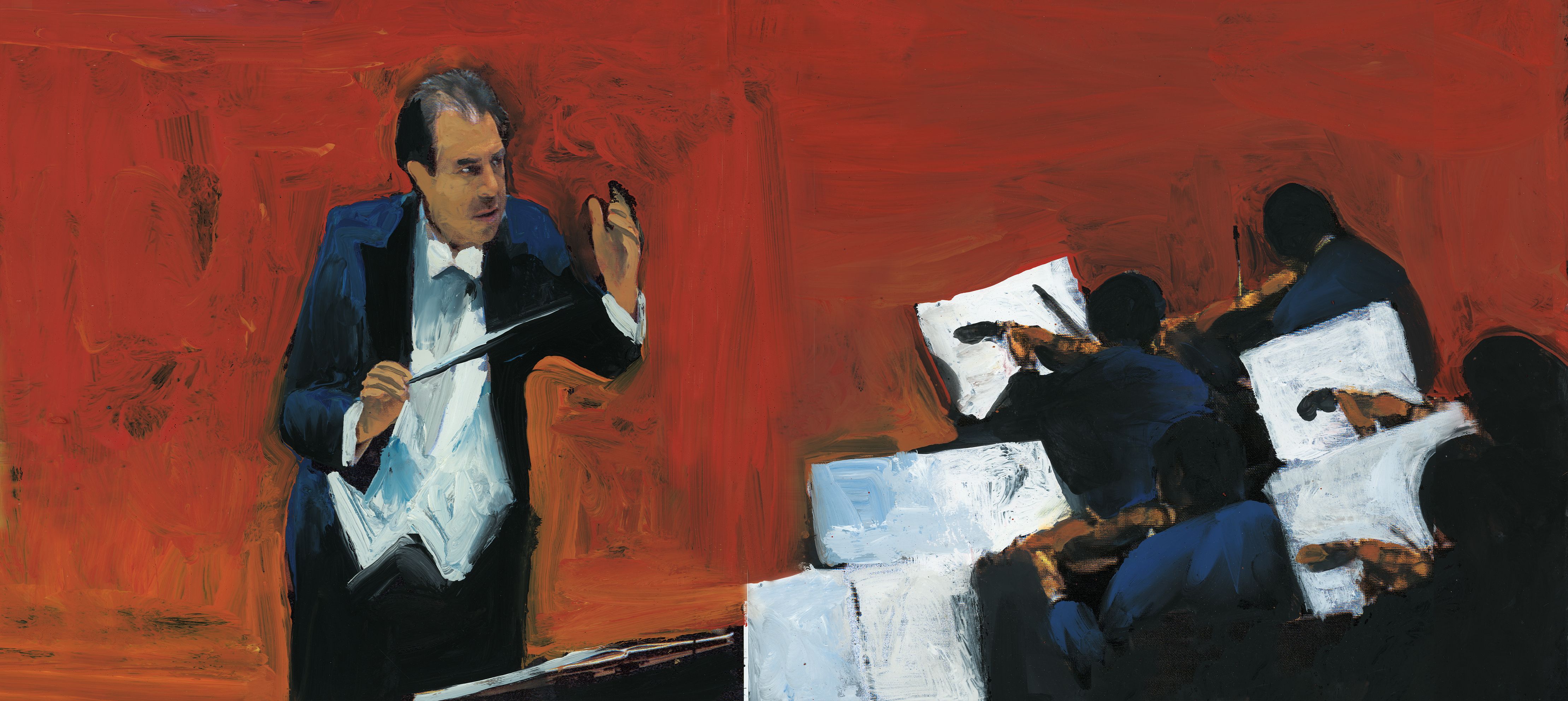
Tuesday, 23 June 2026 at 8 p.m., in the Mehta Hall of the Teatro del Maggio, the second appointment in the concert cycle dedicated to the complete performance of Ludwig van Beethoven’s nine symphonies, conducted by Daniele Gatti.
The programme features two of the Bonn master's most beloved works: the Symphony No. 5 in C minor, Op. 67 and the Symphony No. 6 in F major, Op. 68, Pastoral
Florence, 22 June 2026 – Following the tremendous success of last Thursday’s opening concert, the Maggio Musicale Fiorentino continues its cycle devoted to the nine symphonies of Ludwig van Beethoven, with Daniele Gatti leading the Orchestra del Maggio.
The second concert takes place on Tuesday, 23 June at 8 p.m. in the Mehta Hall and features Beethoven’s symphony No. 5 in C minor, Op. 67 and Symphony No. 6 in F major, Op. 68, Pastoral.
Composed between 1804 and 1807 and premiered in Vienna on 22 December 1808 under Beethoven’s own baton, the famous opening motif has made the Fifth symphony Beethoven’s most iconic orchestral work: four notes that sound like a dramatic question demanding an answer.
The Symphony No. 6 in F major, Op. 68 was written between 1807 and 1808, simultaneously with the Fifth symphony, and was likewise premiered by Beethoven in Vienna on 22 December 1808.
Two further concerts complete the Beethoven cycle: 28 June (Symphonies Nos. 2 and 3) and 1 July (Symphonies Nos. 8 and 9, featuring soloists Mariangela Sicilia, Eleonora Filipponi, Bernard Richter, and Jongmin Park, together with the Maggio Chorus conducted by Lorenzo Fratini).
Programme
Symphony No. 5 in C minor, Op. 67
The result of a lengthy creative process, the Symphony No. 5 in C minor, Op. 67 was composed between 1804 and 1807 and first performed on 22 December 1808 in Vienna under Beethoven’s direction. Its unforgettable opening motif has secured its place as Beethoven’s most celebrated symphony: four notes that pose a dramatic question in search of an answer.
Beethoven responds note by note through a symphonic discourse in which the dialectical principle of thematic opposition reaches one of its highest expressions and contrasts are heightened to the utmost intensity. If the first movement is dominated by conflict and explosive energy, the second movement, Andante con moto, offers a momentary respite. The initial question returns in the Scherzo, transformed by a different rhythmic guise that gradually diminishes its threatening character. Only in the final movement is the last shadow dispelled. The radiant key of C major floods the musical landscape, and the orchestra’s jubilant song conveys the triumph of light over darkness, the victory earned at the end of a long and arduous journey.
Symphony No. 6 in F major, Op. 68, “Pastoral”
The Symphony No. 6 in F major, Op. 68, known as the Pastoral, was composed between 1807 and 1808 alongside the Fifth Symphony and premiered together with it by Beethoven on 22 December 1808 in Vienna.
To avoid misunderstandings about the subtitle, Beethoven added the famous clarification: “more the expression of feeling than painting.” With these words he emphasized that the work was inspired not by literal musical depiction but by the emotions and impressions awakened by nature.
Across its five movements, Beethoven listens to nature and transforms his feelings into sound. The result is a work of idyllic beauty, blending sensations and memories of rural life that were always dear to the composer. The pleasure that refreshes the heart upon arriving in the countryside comes to life in the opening movement, Allegro ma non troppo, where, for the first time in Beethoven’s symphonic output, the traditional dialectical confrontation between first and second themes gives way to two equally amiable ideas that converse harmoniously.
The Andante molto mosso seems to suspend time in the famous “Scene by the Brook,” with its gently rocking barcarolle rhythm interrupted only at the end by the onomatopoeic calls of the nightingale, quail, and cuckoo entrusted to the woodwinds. The Scherzo expresses the joy of a lively gathering of peasants dancing merrily until a sudden storm catches them by surprise. Tremolos in the strings, chromatic scales, and an abrupt shift from F major to F minor darken the bucolic atmosphere in the fourth movement.
Yet after the storm comes renewed serenity. In the final movement, Allegretto, the song that rises from the orchestra becomes a heartfelt hymn of thanksgiving to the Divine, which has calmed the forces of nature and restored peace to the human spirit.