“C’è Musica & Musica 3.0”: "Carmina Burana" by Carl Orff (8 February 2026)
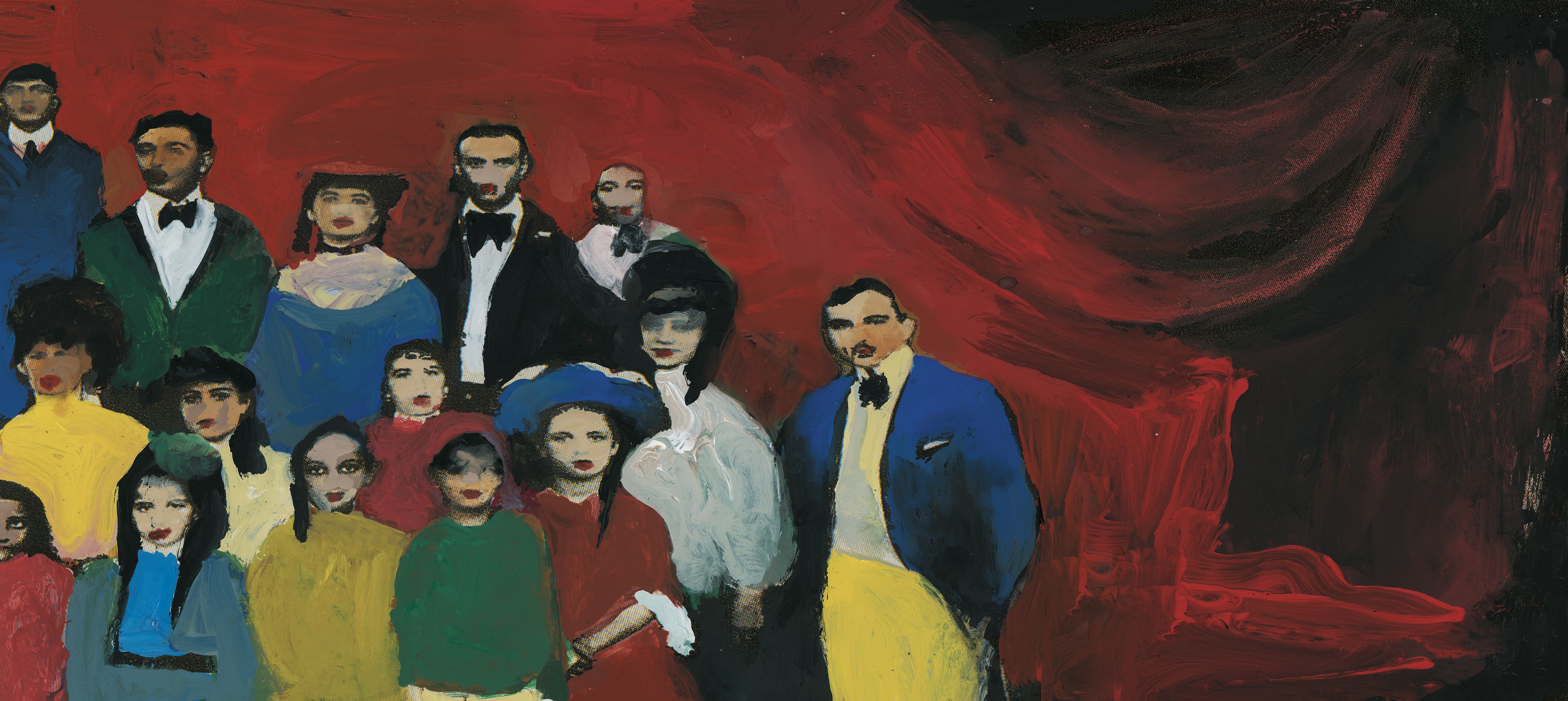
Sunday performances resume as part of the “C’è Musica & Musica” series, which this year reaches its third edition.
On the program, Sunday, February 8 at 11 a.m., the famous Carmina Burana by Carl Orff.
On the podium in the Mehta Hall, maestro Lorenzo Fratini.
Breakfasts for children are offered by Unicoop Firenze.
Florence, February 6, 2026 – After the success of the first two editions, the lively Sunday series C’è Musica e Musica returns to the Teatro del Maggio. These performances are dedicated to young people, very young audiences, and their families, and this year the project reaches its third edition.
On the program—Sunday, February 8 at 11 a.m.—the famous Carmina Burana by Carl Orff, presented to the audience in a reduced version.
On the podium of the Zubin Mehta Hall will be maestro Lorenzo Fratini, leading the Coro del Maggio and the Children’s Choir of the Maggio Musicale Fiorentino Academy, the latter conducted by Sara Matteucci.
Soloists for the morning are soprano Aloisia de Nardis and baritone Gonzalo Godoy Sepúlveda, artists of the Maggio Academy.
At the piano: Susanna Nucci and Carlo Manganaro.
Also featured are the percussionists of the Maggio Orchestra, Lorenzo D’Attoma and Andrea Tiddi. Joining them on percussion are Marco Farruggia, Giacomo Bacchio, Michele Annoni, and Gregory Lecoeur.
Carmina Burana, among the best-known compositions of the 20th century, were composed by Carl Orff between 1935 and the following year. They are a scenic cantata inspired by 24 poems drawn from the medieval collection of the same name dating back to the 12th century. The work is structured into a prologue, five sections, and a finale: the Prologue, Fortuna imperatrix mundi (“Fortune, Empress of the World”), which includes the famous O Fortuna; the first section, Primo vere (“In Spring”), celebrating the joyful aspects of spring; the second section, Uf dem Anger (“On the Meadow”), which includes texts in Old High German; the third section, In taberna (“In the Tavern”), featuring pieces inspired by the unruly lives of the clerici vagantes, gambling, drinking, and feasting; the fourth section, Cour d’amours (“The Court of Love”), containing songs praising love; the fifth section, Blanziflor et Helena (“Blanchefleur and Helen”), which concludes the previous part; and finally Fortuna imperatrix mundi, which reprises the opening movement.