9 June 2026: symphonic-coral concert conducted by Diego Ceretta
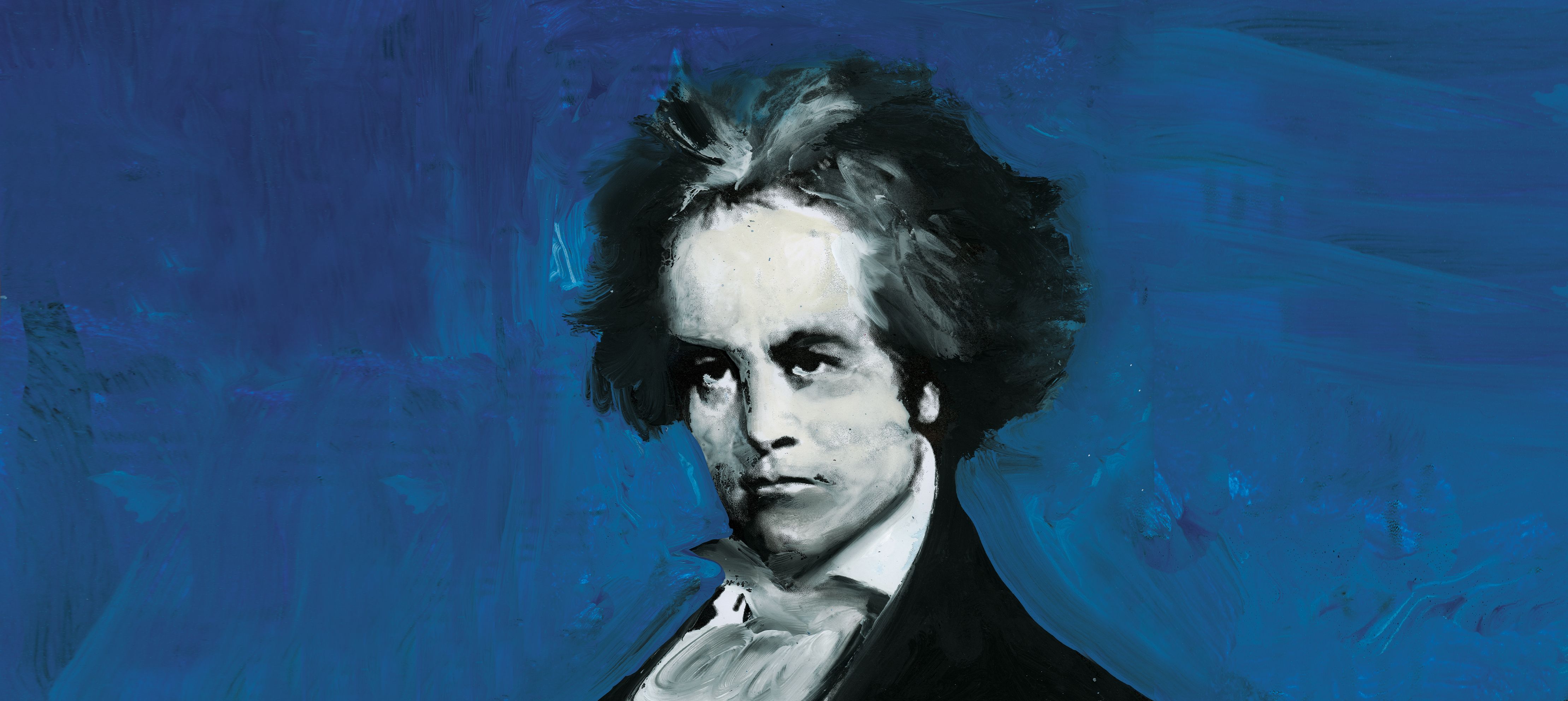
Tuesday, June 9 at 8:00 PM – Zubin Mehta Hall
Diego Ceretta conducts the Orchestra della Toscana and the Maggio Musicale Fiorentino Chorus.
The program features music by Ludwig van Beethoven, Felix Mendelssohn, and Franz Schubert.
Benedetto Lupo will perform on piano.
Florence, June 8, 2026 – The symphonic season of the 88th Maggio Musicale Fiorentino Festival continues. On Tuesday, June 9 at 8:00 PM, in the Zubin Mehta Hall of the theatre, conductor Diego Ceretta will lead the Orchestra della Toscana and the Maggio Musicale Fiorentino Chorus in a program featuring some of the most celebrated works of early German Romanticism, with music by Beethoven, Mendelssohn, and Schubert.
Pianist Benedetto Lupo will be the soloist, while Lorenzo Fratini serves as chorus master. Also participating are soloists from the Maggio Musicale Fiorentino Academy: sopranos Suji Kwon and Erica Cortese, mezzo-soprano Ioanna Kykna, tenors Francesco Congiu and Yukang Zheng, and baritone Gonzalo Godoy Sepúlveda.
The concert opens with Beethoven’s cantata Meeresstille und glückliche Fahrt (Calm Sea and Prosperous Voyage), Op. 112, inspired by two famous poems by Goethe. This is followed by Beethoven’s Fantasy in C minor, Op. 80 for piano, soloists, chorus, and orchestra. Composed in 1808 after the Sixth Symphony, the work is notable for its unique and eclectic character.
The evening continues with Mendelssohn’s The Hebrides, Overture Op. 26, inspired by his visit to the Hebrides Islands and Fingal’s Cave on the Isle of Staffa. The impressions of the journey were so powerful that Mendelssohn immediately felt compelled to translate them into music.
The concert concludes with Schubert’s Symphony No. 4 in C minor, D. 417, “Tragic”. Written in 1816, it is the symphony that most clearly reflects Beethoven’s influence, both in its choice of key—C minor, the same key used in Coriolan and the famous Fifth Symphony—and in its subtitle, “Tragic,” which Schubert himself added in an effort to evoke the dramatic atmosphere associated with the master from Bonn.