74th edition - Ravello Festival: Daniele Gatti
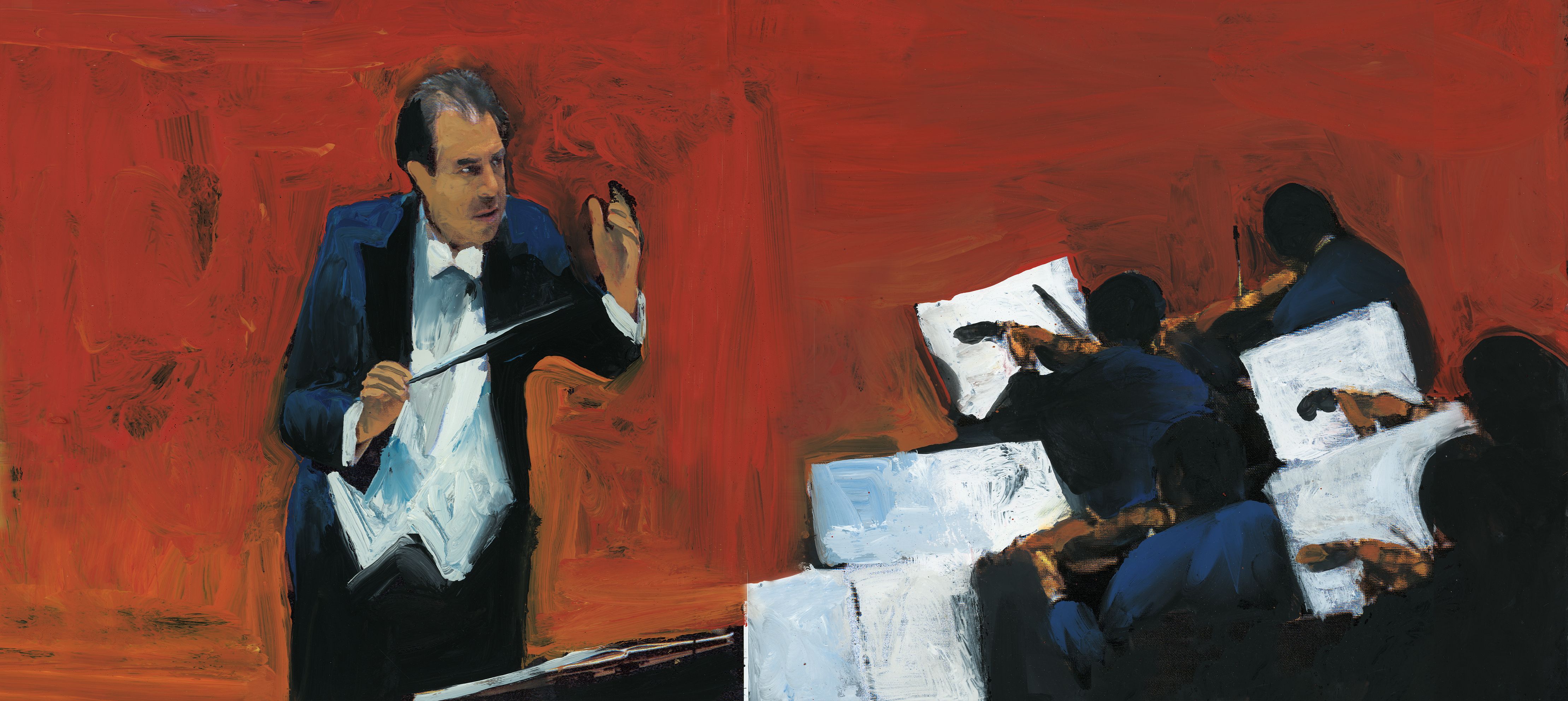
On Saturday, 4 July 2026, at 8:00 p.m., on the Belvedere terrace of Villa Rufolo, Maestro Daniele Gatti will conduct the Orchestra del Maggio Musicale Fiorentino in the opening concert of the 74th Ravello Festival.
The programme features Richard Wagner's Siegfried Idyll and Ludwig van Beethoven's Symphony No. 3 in E-flat major, Op. 55, the celebrated Eroic.
Florence, 3 July 2026 – Just days after concluding the acclaimed cycle devoted to Beethoven's nine symphonies - enthusiastically received by both audiences and critics—Daniele Gatti returns to the podium of the Orchestra del Maggio Musicale Fiorentino for a major summer engagement. On Saturday, 4 July at 8:00 p.m., he will inaugurate the 74th edition of the Ravello Festival with a concert on the spectacular Belvedere terrace of Villa Rufolo.
The Maggio Musicale Fiorentino returns to Ravello following the tremendous success of the concert conducted by Zubin Mehta in July 2022. The evening opens with Richard Wagner's Siegfried Idyll, followed by Ludwig van Beethoven's Symphony No. 3 in E-flat major, Op. 55, the renowned Eroic.
Wagner composed the Siegfried Idyll in 1870 as a birthday gift for his second wife, Cosima, during the year of their marriage and shortly after the birth of their son, Siegfried. The work was first performed on Christmas Day 1870 at the Wagner family's villa as a private surprise for Cosima.
Beethoven's Symphony No. 3 in E-flat major, Op. 55 marks a decisive turning point in the composer's artistic development. Written between 1803 and 1804, it was presented to publishers under the title Grande Sinfonia, reflecting Beethoven's full awareness of the extraordinary nature of his new creation. Every aspect of the work was unprecedented: the immense compositional effort invested between 1802 and 1804; the expanded orchestral forces; its monumental scale—more than 1,800 bars and over an hour of music - and, finally, its original dedicatee and source of inspiration, Napoleon Bonaparte, whom Beethoven initially regarded as the embodiment of a new era and a champion of the republican ideals of liberty, equality and democracy.
The Belvedere of Villa Rufolo also held a special significance for the composer from Leipzig. Surrounded by exotic gardens and medieval architecture, Palazzo Rufolo profoundly inspired Wagner, who is said to have conceived here the setting for Act II of Parsifal.